Understanding the psychological tricks that keep gamblers hooked
The allure of risk and reward
The thrill of gambling is deeply rooted in the psychology of risk and reward. When individuals place bets, they are often drawn to the adrenaline rush that comes with the potential of winning. This psychological mechanism activates the brain’s reward pathways, releasing dopamine—a neurotransmitter linked to pleasure and satisfaction. This immediate gratification can lead to an addictive cycle, where the anticipation of winning overshadows the reality of losses. Many enthusiasts also engage in related activities, like exploring various online casino games, which further fuels the excitement.
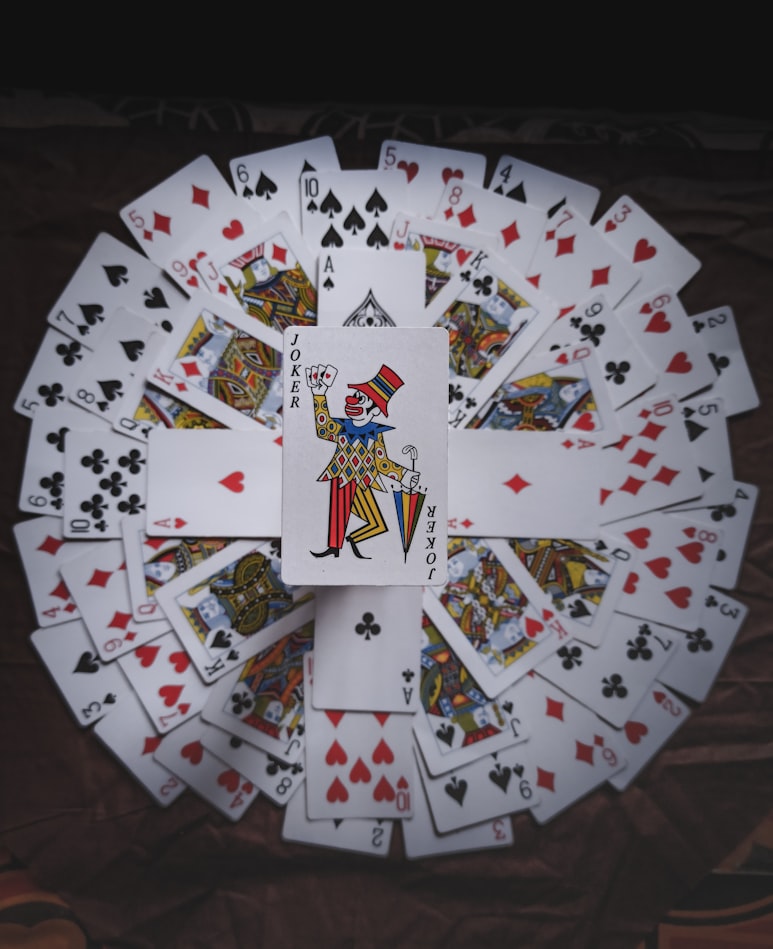
Furthermore, the unpredictability of gambling outcomes enhances this allure. Unlike traditional investments where outcomes can be analyzed, gambling results are often random. This randomness fuels hope and excitement, compelling individuals to engage repeatedly in hopes of hitting a jackpot or experiencing a winning streak.
The role of cognitive biases
Cognitive biases significantly contribute to the gambling phenomenon. One prevalent bias is the illusion of control, where players believe they can influence the outcome of games based on their decisions or skills. This misconception leads them to continue betting, even when results are primarily determined by chance. Such biases can reinforce gambling behavior and distort an individual’s perception of risk.
Another bias, known as the gambler’s fallacy, occurs when players believe that past events affect future outcomes. For instance, a gambler may think that after several losses, a win is «due.» These cognitive distortions not only perpetuate gambling but also make it challenging for individuals to recognize their loss patterns, trapping them in a cycle of continued play.
The impact of social influences
Social environments play a crucial role in encouraging gambling behavior. Friends, family, or online communities can create a sense of belonging and shared excitement around gambling activities. This social reinforcement can make it difficult for individuals to break away from gambling habits, as they seek to maintain connections with others who share similar interests.
Additionally, the normalization of gambling in media and popular culture reinforces its appeal. Advertisements glamorizing wins and portraying gambling as a fun activity can desensitize individuals to its risks, making them more likely to participate without fully understanding the potential consequences.
The design of gambling environments
Casinos and online gambling platforms are intentionally designed to enhance the overall experience and keep players engaged. From the layout and lighting to sound effects and rewards systems, every element works in unison to create an immersive environment that encourages prolonged play. For example, the use of bright colors and sounds can stimulate excitement and keep players emotionally invested.
Moreover, many platforms employ strategies like near-misses, where players come close to winning but ultimately lose. These moments can create a false sense of hope, motivating individuals to keep gambling in pursuit of that elusive win. Such design tactics exploit psychological triggers, making it easier for individuals to lose track of time and money.

Exploring career resources in the gambling industry
As the gambling industry continues to grow, it presents various career opportunities for individuals interested in understanding its intricacies. From roles in responsible gaming to positions in regulatory compliance and game design, the landscape offers diverse pathways. Professionals in this field can work towards creating safer gambling environments and promoting awareness about the psychological factors involved.
For those seeking to explore career resources related to gambling and its psychological aspects, it’s crucial to stay informed and connected. Engaging with industry experts and accessing relevant resources can pave the way for a meaningful career while also contributing to the responsible development of gambling practices.